
Sumatra wildlife center
Rescue center for rehabilitating and releasing confiscated wildlife in Sumatra, Indonesia
Deep in Sumatra, some of the world's most endangered wildlife are being stolen from the forests for international trade. When our K9 team or the Indonesian authorities catch illegal smugglers, the animals come to us.


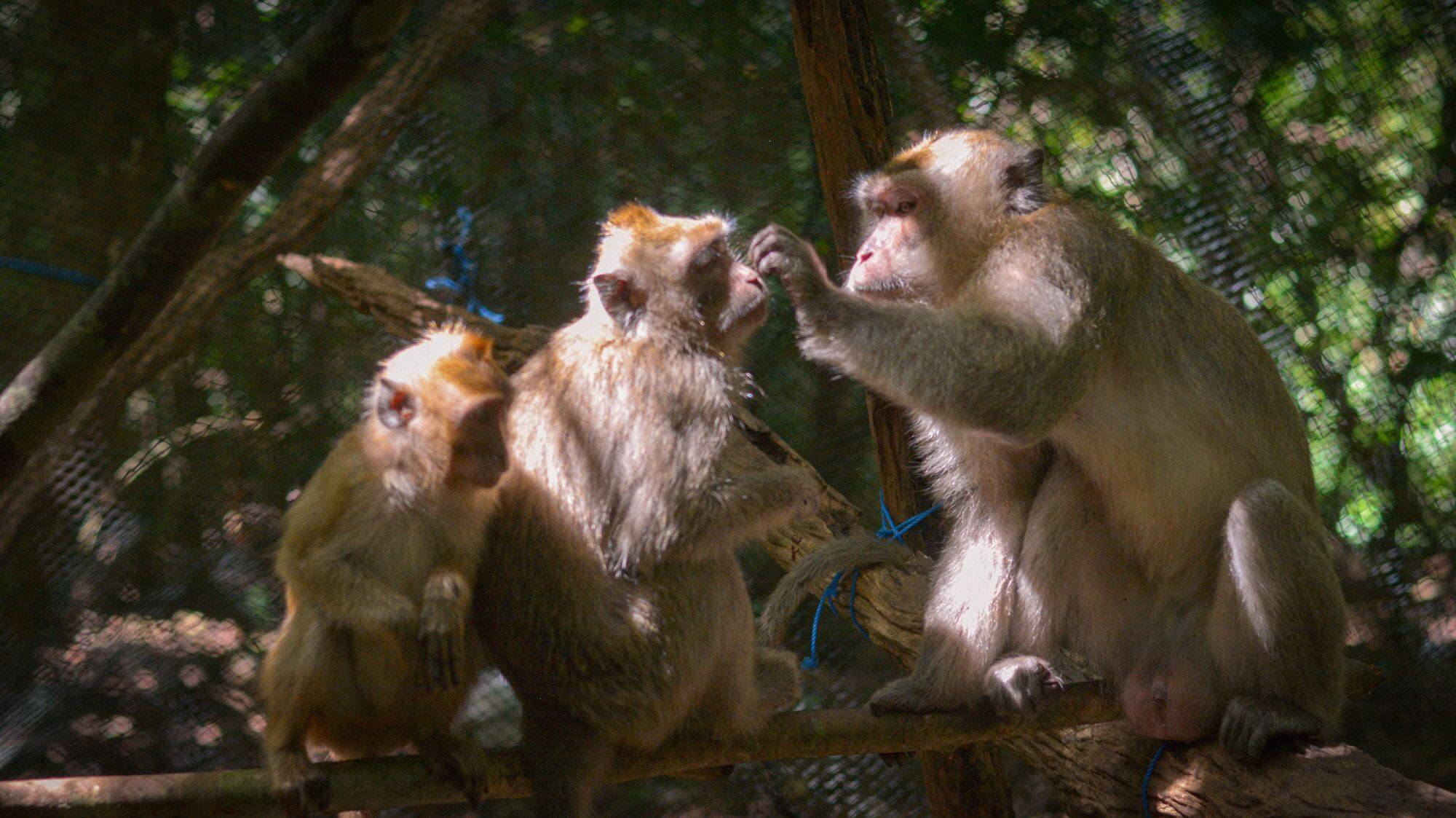
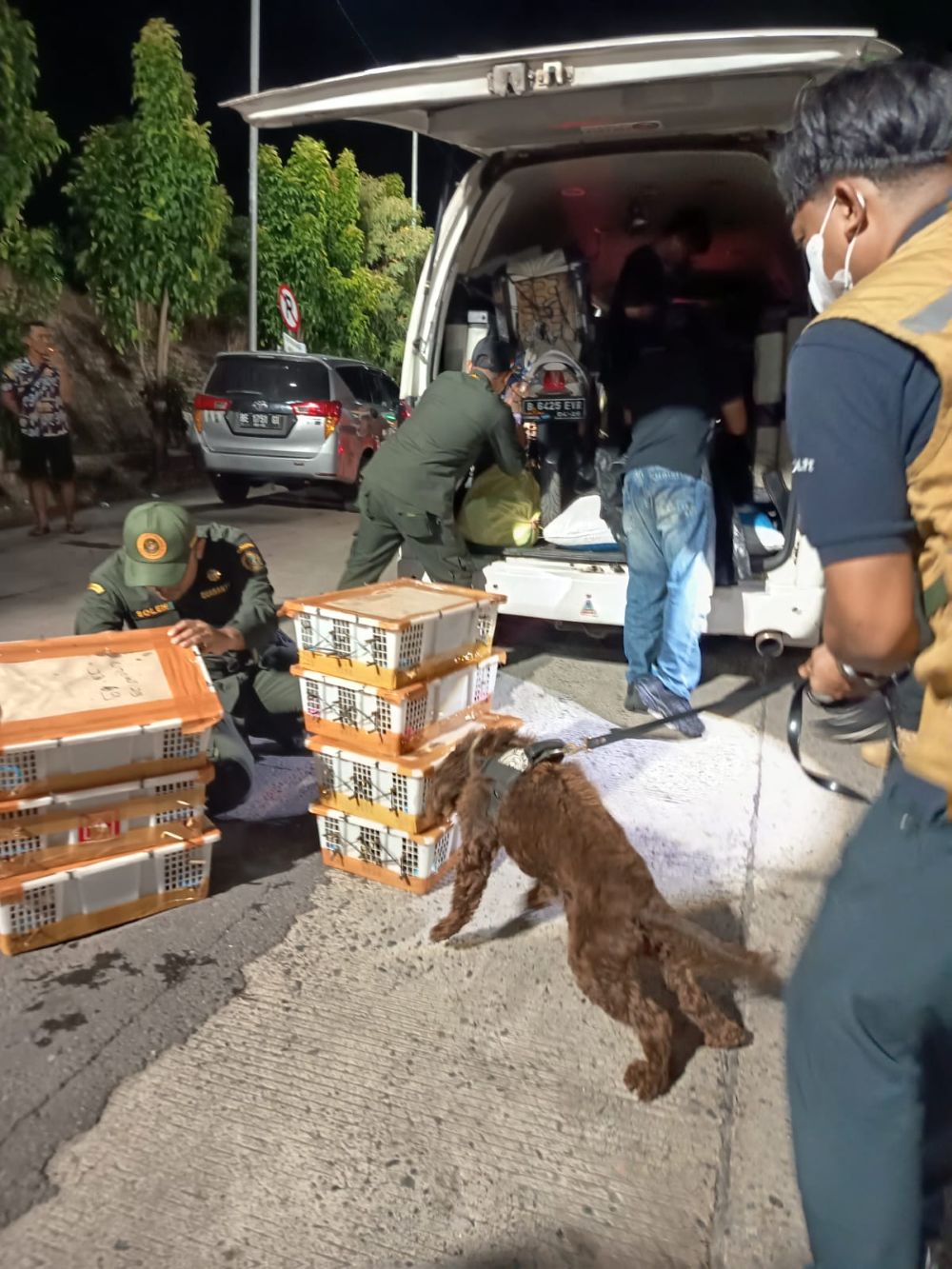
When wildlife smugglers are caught, the confiscated animals cannot simply be released back into the wild.
Sumatra is home to some of the planet's most extraordinary animals and they are all targeted by illegal wildlife trade. Most often, mothers are killed and their baby's are taken. Why this tragic strategy? Because baby's are easier to handle, smaller to transport, and they have a higher value on the illegal wildlife market.
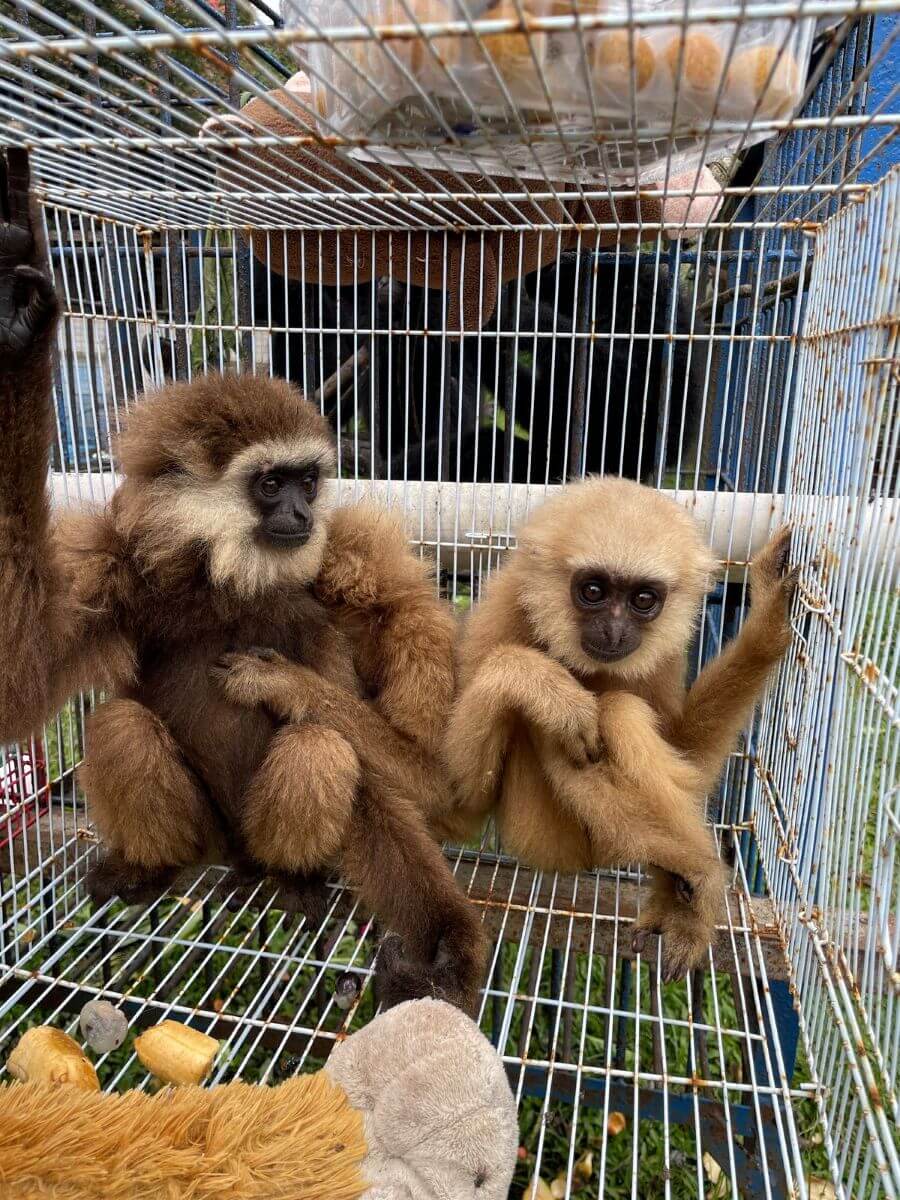
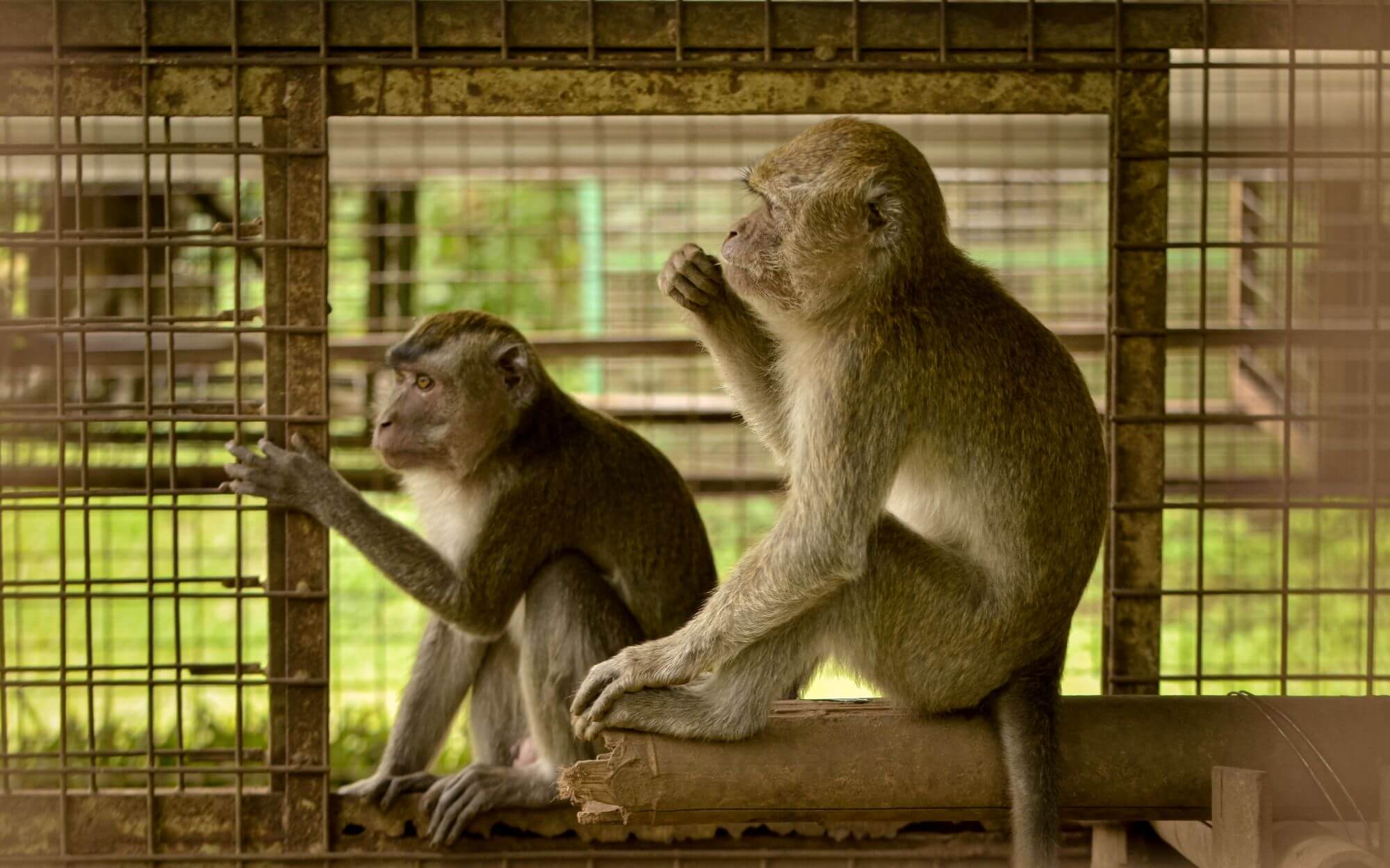
To have the chance at surviving in the wild, the young rescues first need to go through a professional rehabilitation program and learn their natural survival skills. That's why JAAN built the Sumatra Wildlife Center.
Sumatra Wildlife Center numbers

Year opened

Total property size

Current amount of animals in rehabilitation

Vets

Caretackers


Total amount of animals released

Biologists

Adopted street dog
Our rehabilitation process follows international guidelines
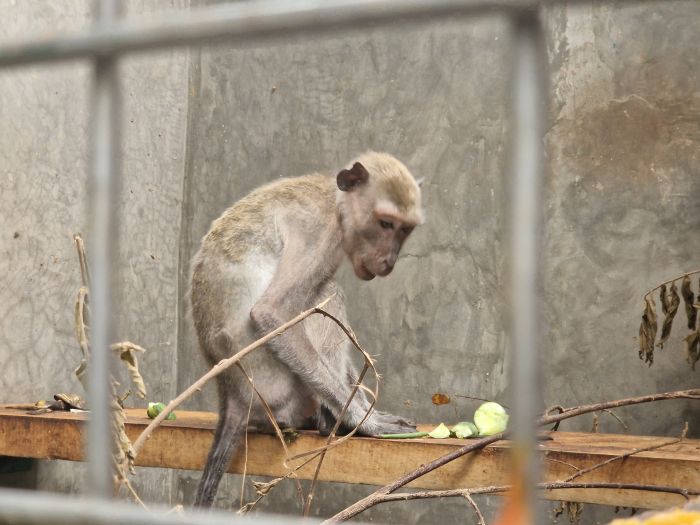
PHASE 1 - 30 to 90 days
Quarantine & Stabilization
Every new rescue is immediately isolated to prevent disease spread. A vet performs a full health assessment and checks for injuries, parasites, malnutrition, dehydration, and stress-related conditions. Blood work is taken where possible.

PHASE 2 - 0,5 to 3 years
Species-Specific Rehabilitation
Once an animal is stable, rehabilitation shifts to rebuilding the instincts and behaviors it needs to survive in the wild. This process looks very different depending on the species. Here are several examples:
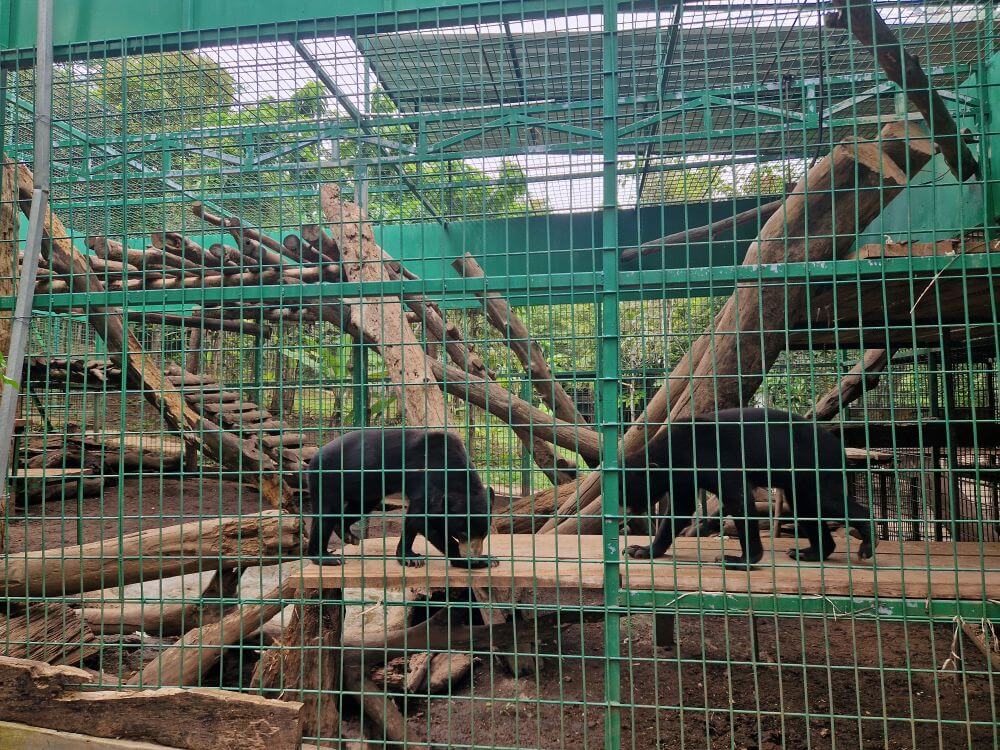
Sun bears follow a more solitary path. Their rehabilitation centers on stimulating natural curiosity: rooting through soil, tearing apart logs for insects, and climbing. Enclosures are enriched with challenges that encourage problem-solving and exploration, helping them rebuild the confidence and resourcefulness they'll need when navigating a forest alone.

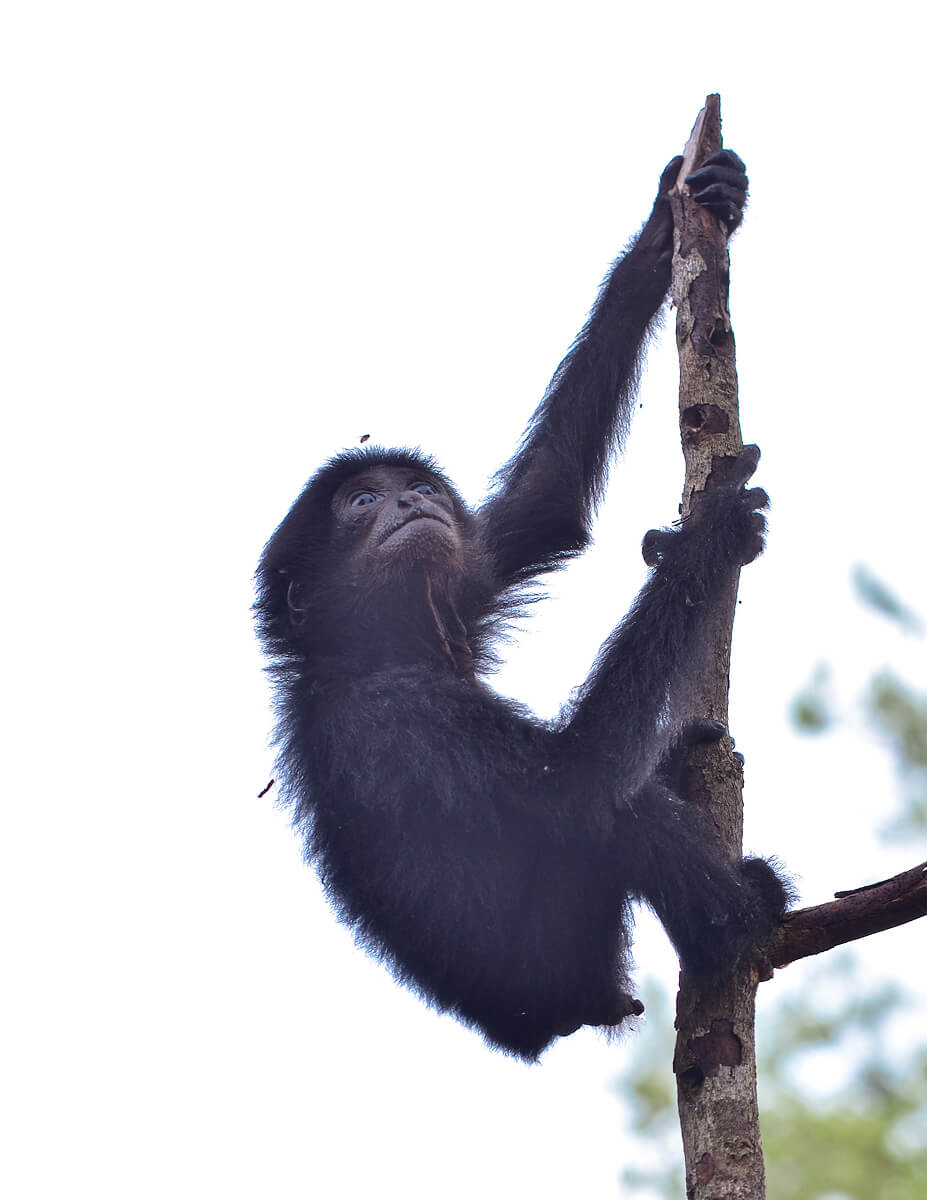
Gibbons are highly social and emotionally complex, so the focus is first on psychological recovery. They are paired or grouped with other gibbons to relearn social bonding, communication, and group dynamics. Gradually, they're introduced to larger forested enclosures where they can practice brachiating (swinging through the canopy) and begin foraging for fruit and leaves on their own terms.
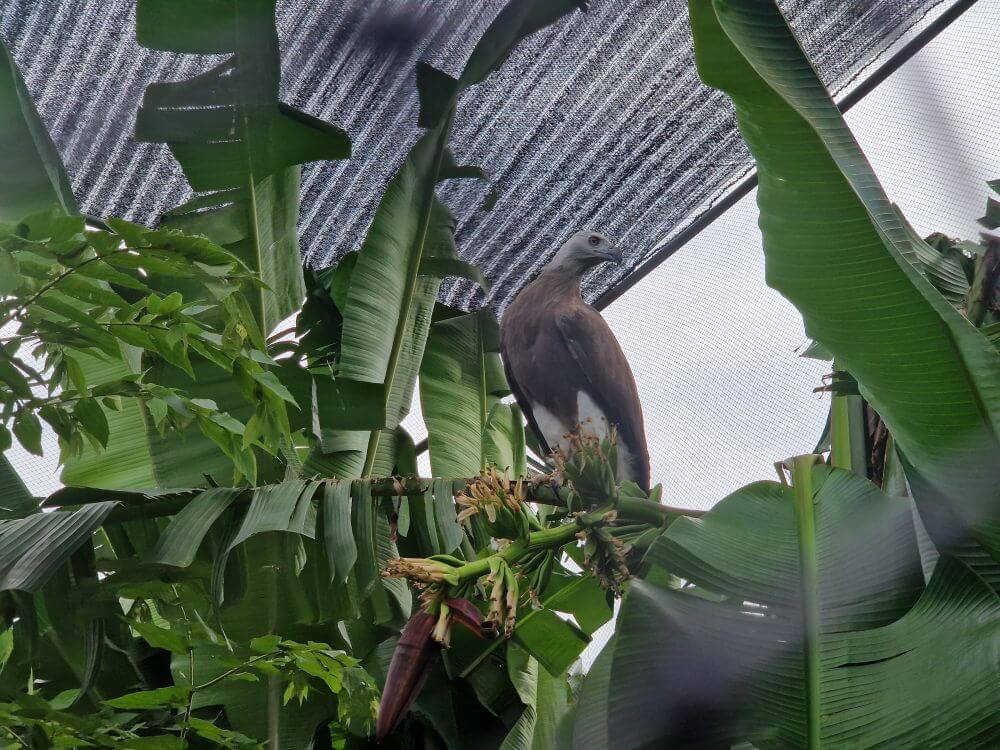
Eagles present a different challenge entirely. Flight and hunting must be carefully restored. After initial flight conditioning in large aviaries, they are introduced to live prey in a controlled setting, allowing them to rediscover predatory instincts at their own pace. Handlers remain as hands-off as possible throughout to prevent the bird from becoming comfortable around humans.

PHASE 3
Release and monitoring
Release is the moment every rehabilitation center works towards, but it is far from simply opening a gate. Before any animal is considered ready, it must demonstrate that it can find its own food, navigate its environment, and show a healthy wariness of humans.
When that point is reached, the release site is chosen with great care. Together with the Ministry of Forestry and Environment, the team searches for a protected forest that is large enough to support the animal's needs and ideally close to where it was originally found.
Even after release, the work isn't over. The team remains for several weeks to monitor their movements, check if they are feeding successfully, and intervene quickly if something goes wrong.
Donate and help us rehabilitate and release confiscated wildlife
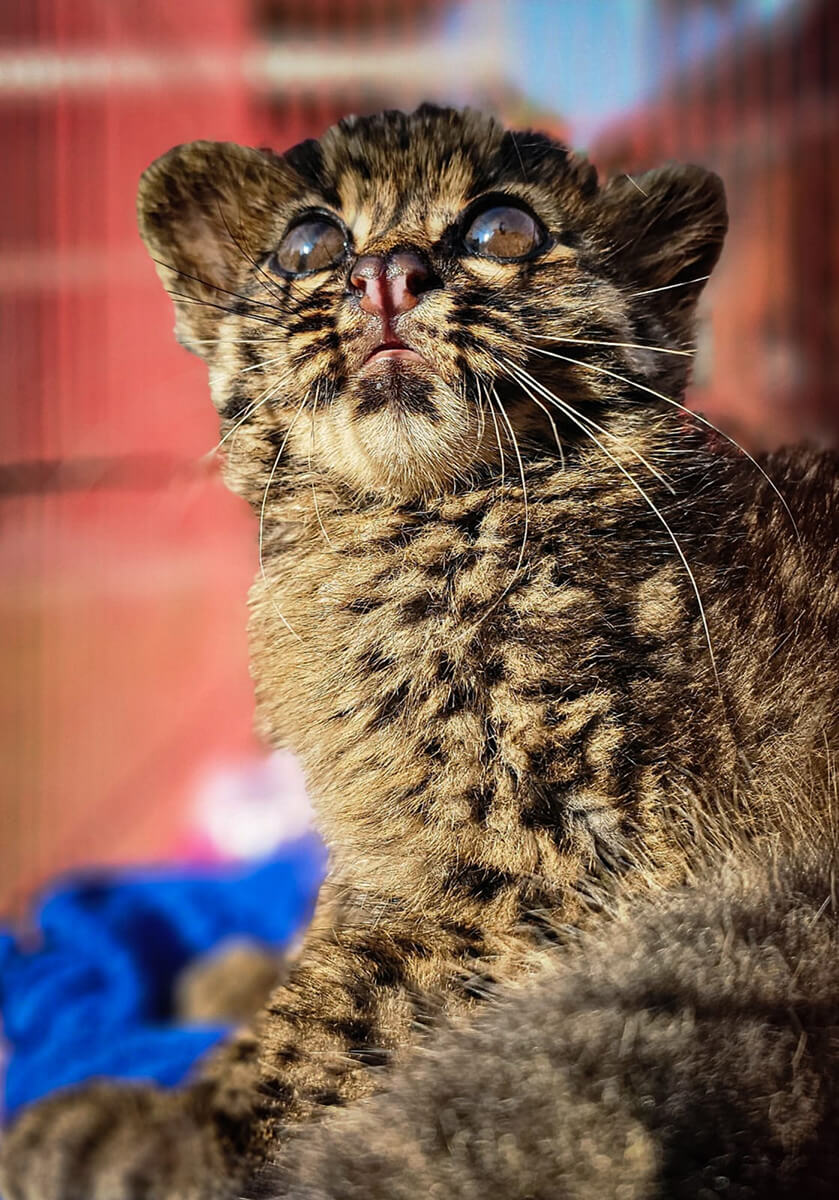
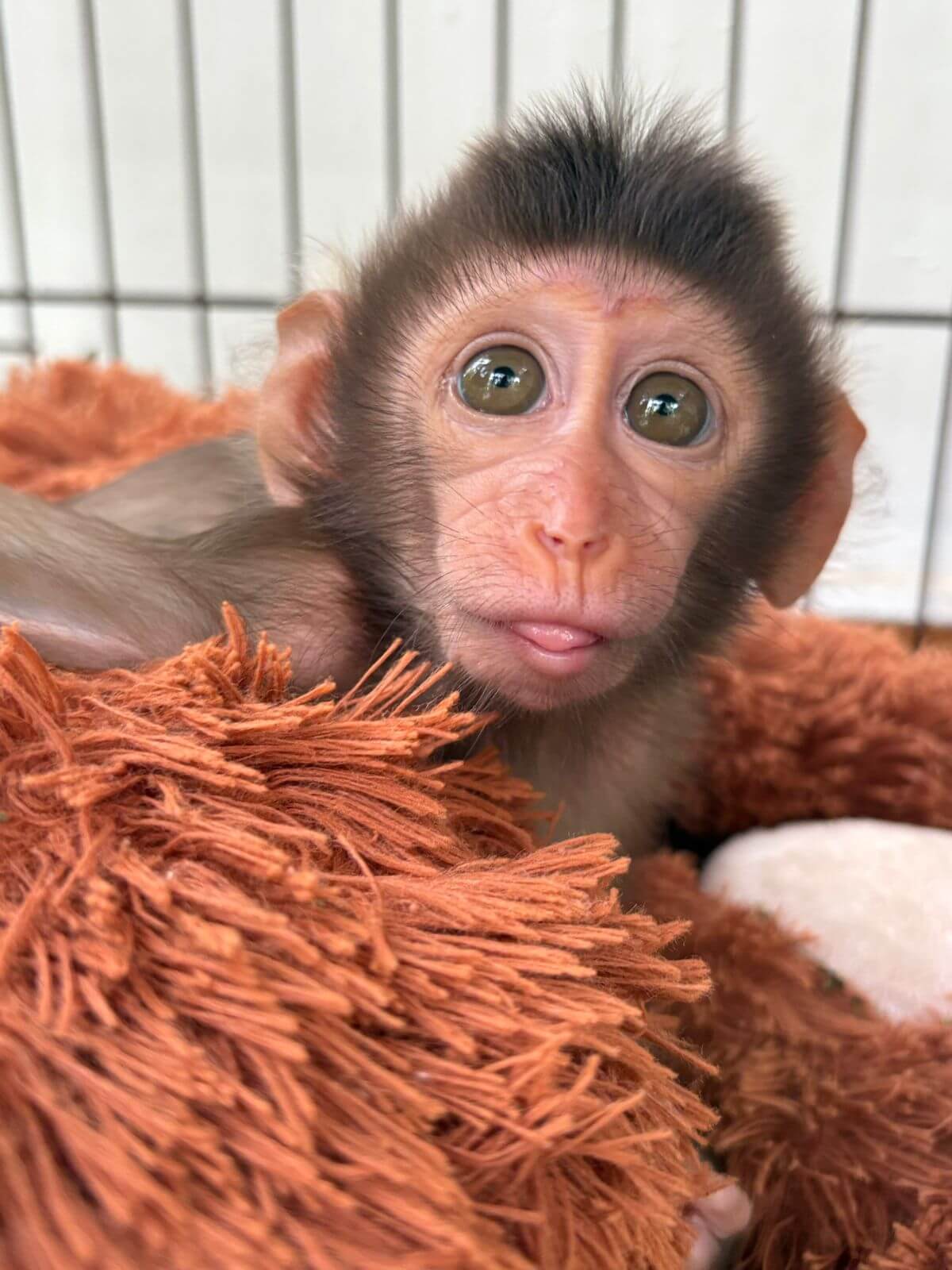
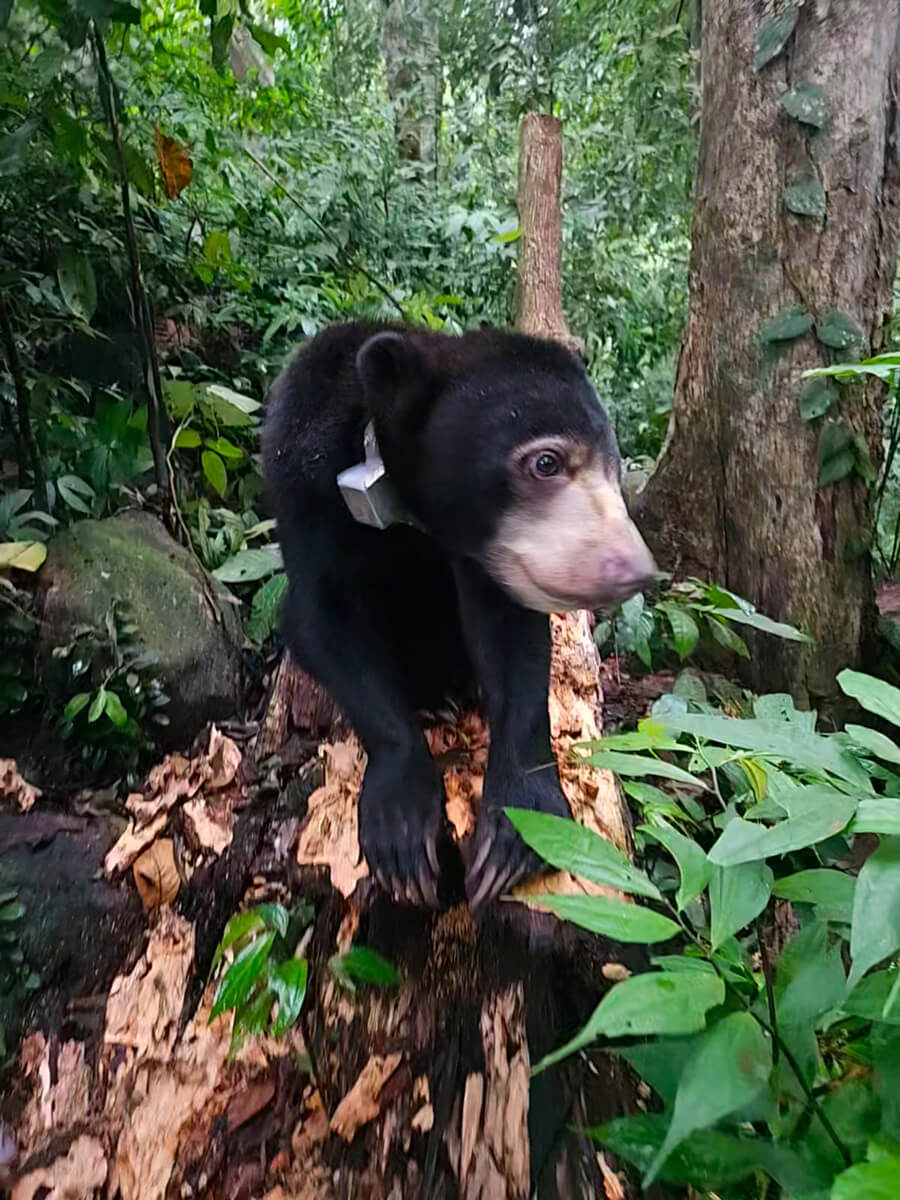
Rehabilitation is a long and costly process. Every month new animals keep coming in. Your donation will directly contribute to:

Team
Veterinarians and animal caretackers

Food
Daily meals for all the animals

Medical
Surgeries, treatment and regular check-ups

Enclosures
Maintenance, expansion and stimulating objects

Release
Finding a suitable release location and transportation
Frequently asked questions
Yes, JAAN Indonesia is a legally registered NGO under the Indonesian Ministry of Law and Human Rights with number NPWP 90-490-457-0-078-000. We've been active since 2008 and work directly alongside government authorities.
Additionally, Stichting JAAN Nederland (a Dutch foundation) supports JAAN indonesia with fundraising in the Netherlands and it has ANBI status.
100% of your donation goes directly to the animals. We don't deduct any fees, there are no management layers and there's no marketing budget. Donations fund food, veterinary care, rehabilitation facilities, relocation and release operations, and the staff who make it all possible.
Animals that cannot safely return to the wild are given a permanent home at Ellis Park (located on land adjoining the of Sumatra Wildlife Center) where they live in large enclosures with care of love for the rest of their lives.
Yes, you can cancel at any time. We use Donorbox to process donations securely. Every month you receive an email receipt. To cancel, follow the Donorbox link in the receipt email, navigate to "My Donations," and select "Cancel" next to your recurring donation. If you have any trouble, feel free to contact us and we'll sort it out for you.
This depends on your country of residence.
- Netherlands: yes, your donation is tax-deductible. JAAN Indonesia is supported by Stichting JAAN Nederland, which holds ANBI status (ANBI no. 814973140).
- International: tax deductibility varies by country and we recommend checking with your local tax authority.
If you need a donation receipt for tax purposes, please contact us before or after donating and we'll make sure you receive the right documentation.

Several recent success stories
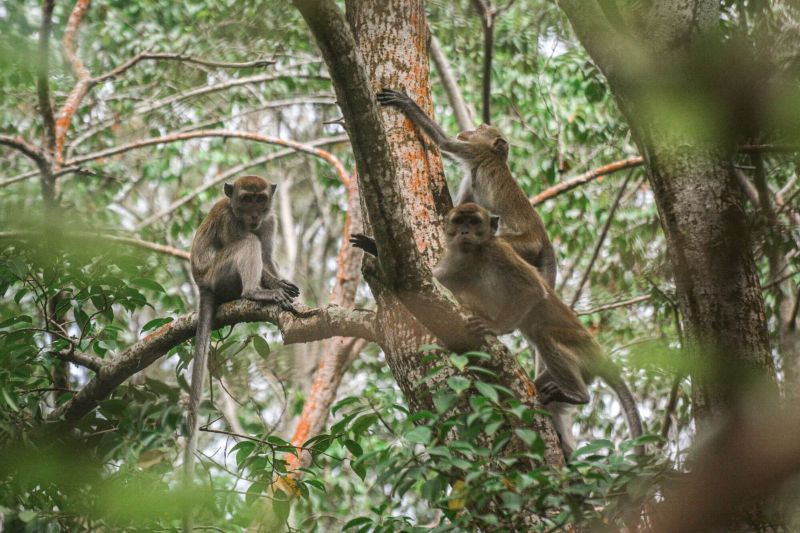


JAAN Indonesia is local NGO that rescues, rehabilitates and releases wildlife.
We run different programs and locations across Indonesia. Curious? Continue reading! Get to know our team and work.


