24 Long Tailed Macaques Rehabilitated and Released in Sumatra, Indonesia
Saved from Indonesia's illegal pet trade, they have been successfully released into the mangrove forests of Berbak and Sembilang National Parks following years of rehabilitation at JAAN's Sumatra Wildlife Center.
Rescue & Early Care
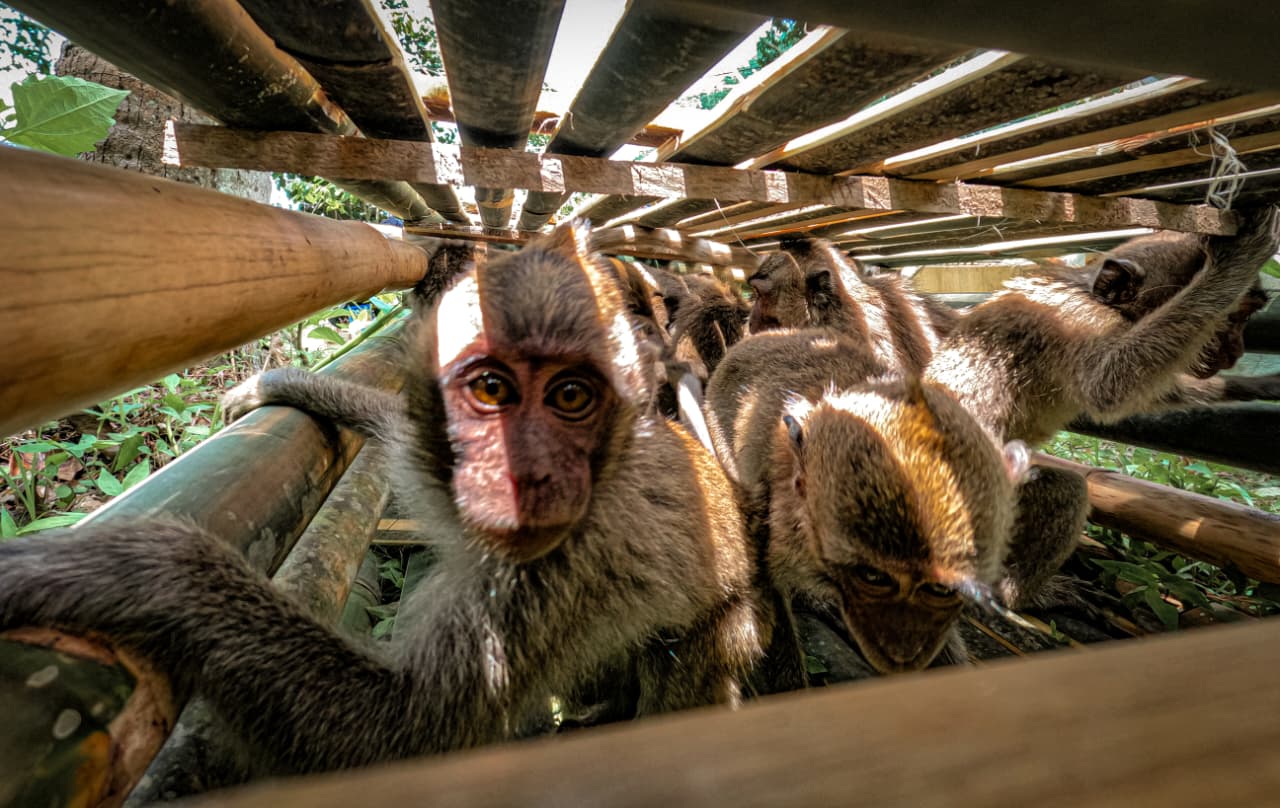
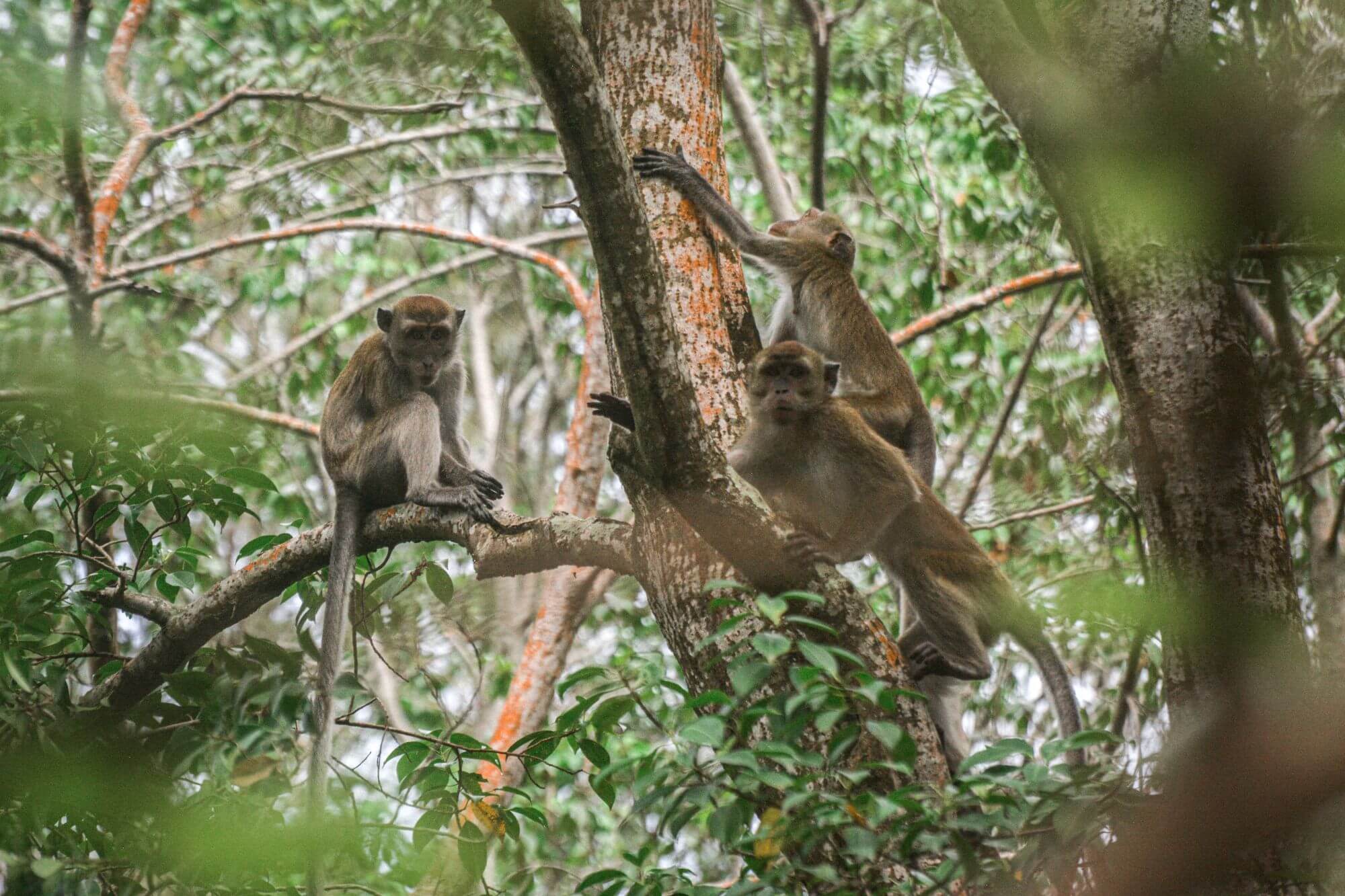
In 2021, JAAN's K9 Wildlife Detection program intercepted a shipment of Long-tailed Macaque (Macaca fascicularis) infants destined for the illegal pet trade. Over time, more rescues followed, eventually forming a group of 24 individuals in our care.
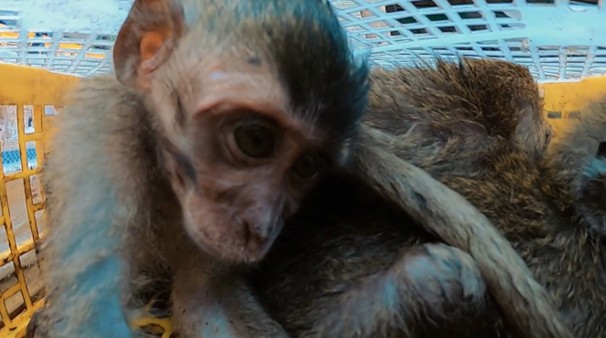
Raising infant macaques is demanding work. The team provided milk every four hours, from morning until night, to ensure each animal received adequate nutrition for healthy development. As the group grew, they were moved into larger enclosures fitted with natural climbing structures — tree trunks, branches — designed to reawaken their wild instincts for climbing, foraging, and socialising.
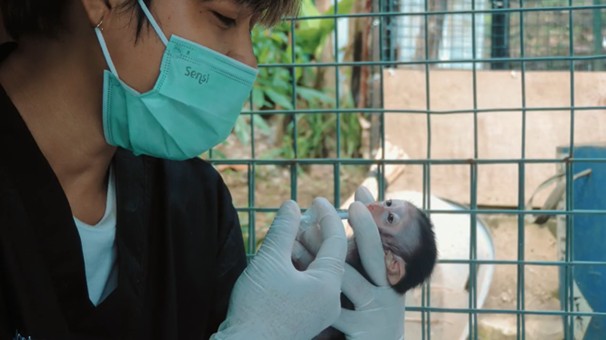
Rehabilitation
Once in the larger enclosures, keepers monitored the group daily, watching for signs of conflict or poor adaptation. Any individual showing stress or aggression was temporarily separated and reintegrated gradually. The team sourced most food from their own garden, with a fruit-dominant diet supplemented by vegetables and foraged leaves on a rotating schedule — always fresh, always cleaned before feeding.
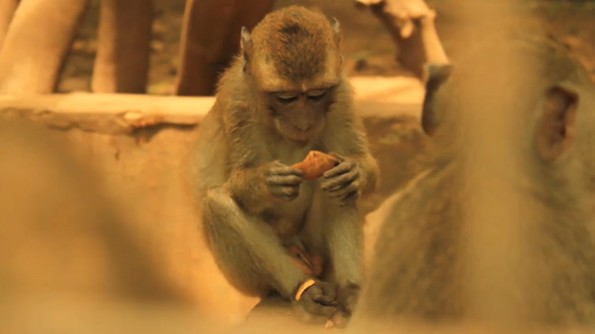
Site Selection
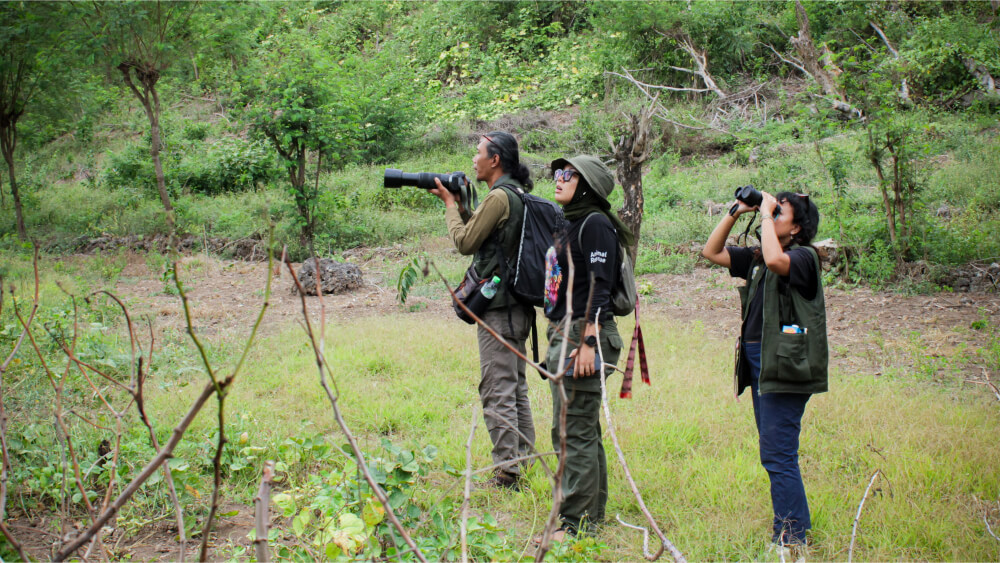
As the macaques reached adulthood, JAAN coordinated with Indonesia's Balai Konservasi Sumberdaya Alam (BKSDA) to identify a suitable release site. In January 2026, a joint team of biologists, keepers, BKSDA officers, and National Park officials conducted a field survey across three locations within Berbak and Sembilang National Parks in South Sumatra: Alanggantang Island, Bogem River, and Barong River.
Alanggantang Island was selected based on its natural vegetation, adequate food and water sources, and minimal human activity — ideal conditions for a successful release.
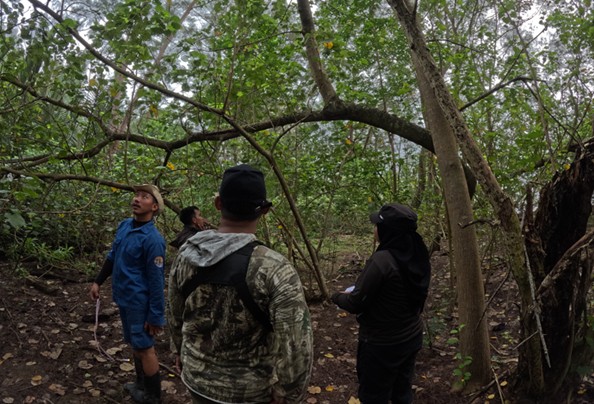
Advance Team & Habituation Enclosure
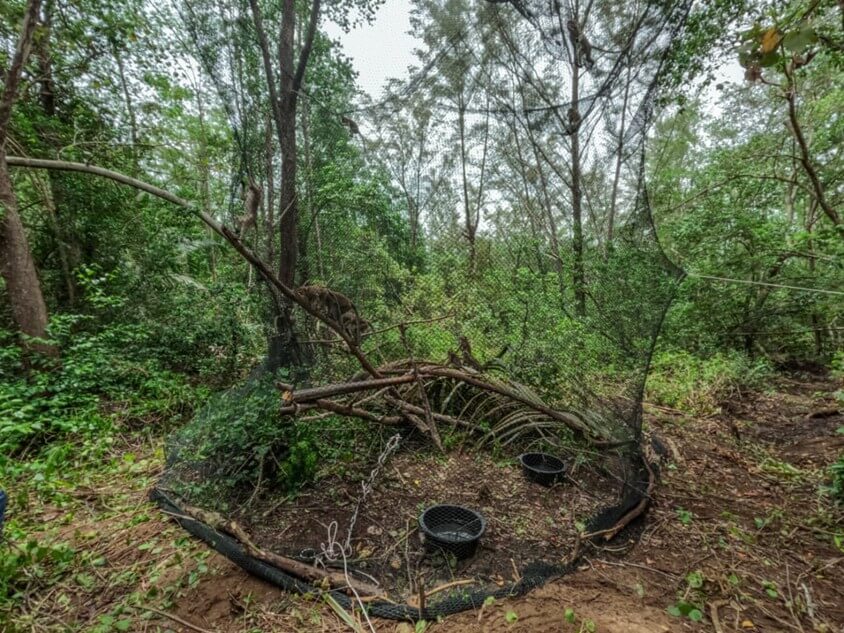
On February 10, 2026, an advance team was deployed to the island five days ahead of the main release. Over four days, they constructed a habituation enclosure from netting and natural materials, stocked with fruit, vegetables, and clean water to support the macaques during their initial adjustment to the new environment.
Transport
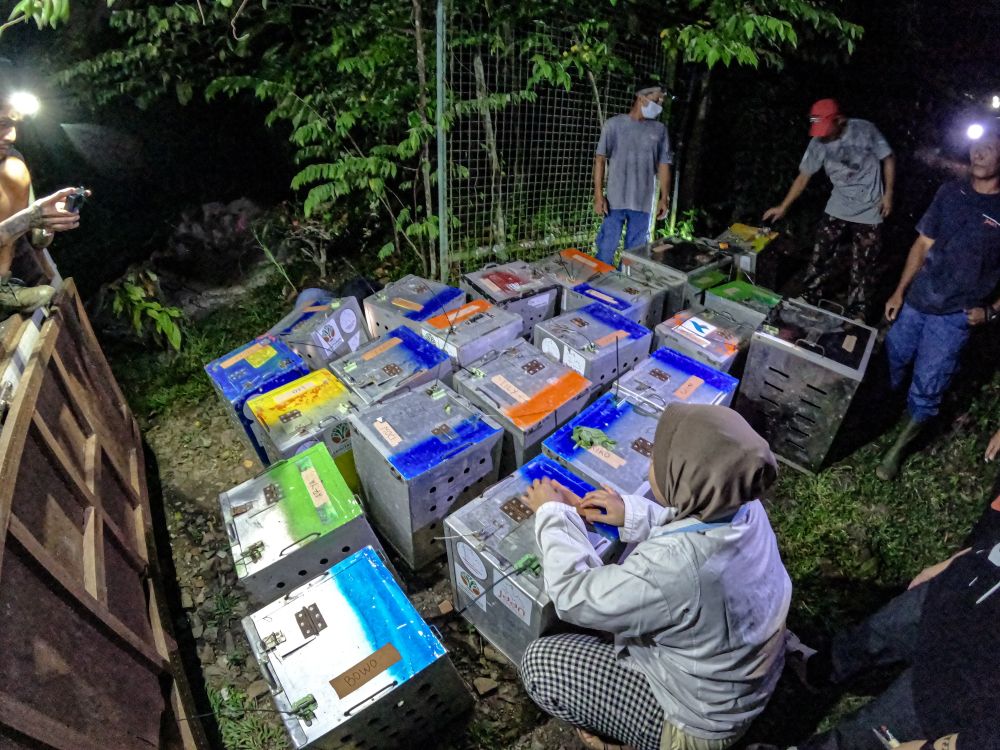
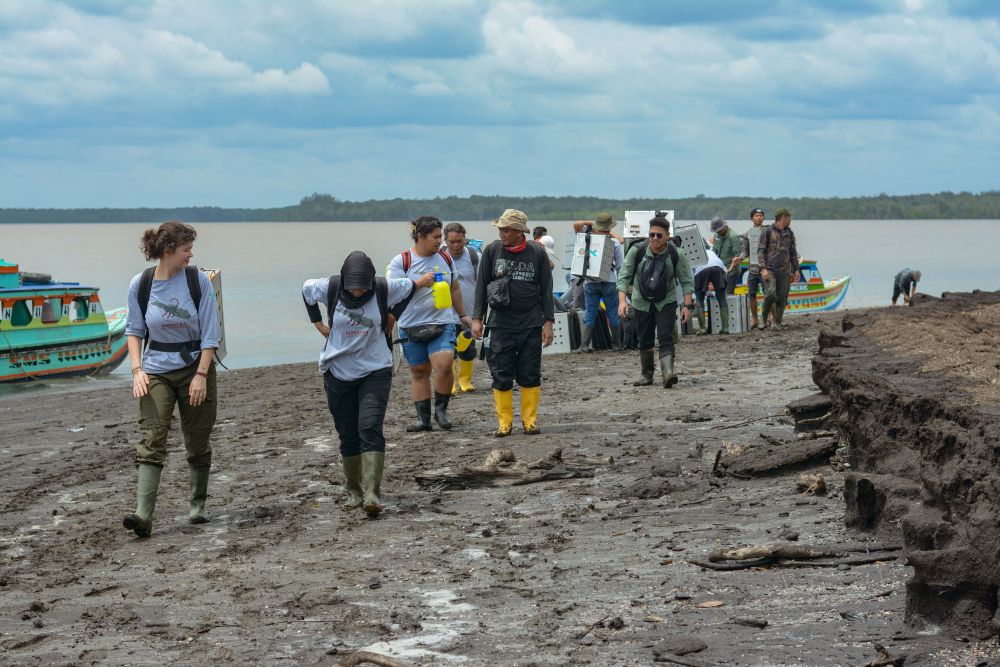
On February 14, the release team at the Sumatra Wildlife Center (SWC) carried out the final last health check and transferred all 24 individuals into transport cages. The following morning, the team (accompanied by BKSDA and National Park representatives) began the journey from South Lampung: a 10-hour overland drive, followed by a 2.5-hour sea crossing by boat to Alanggantang Island. Animals were checked every three hours throughout, with rehydration solutions and multivitamins administered to manage stress. The boat maintained minimum speed to keep conditions as calm as possible.
Release
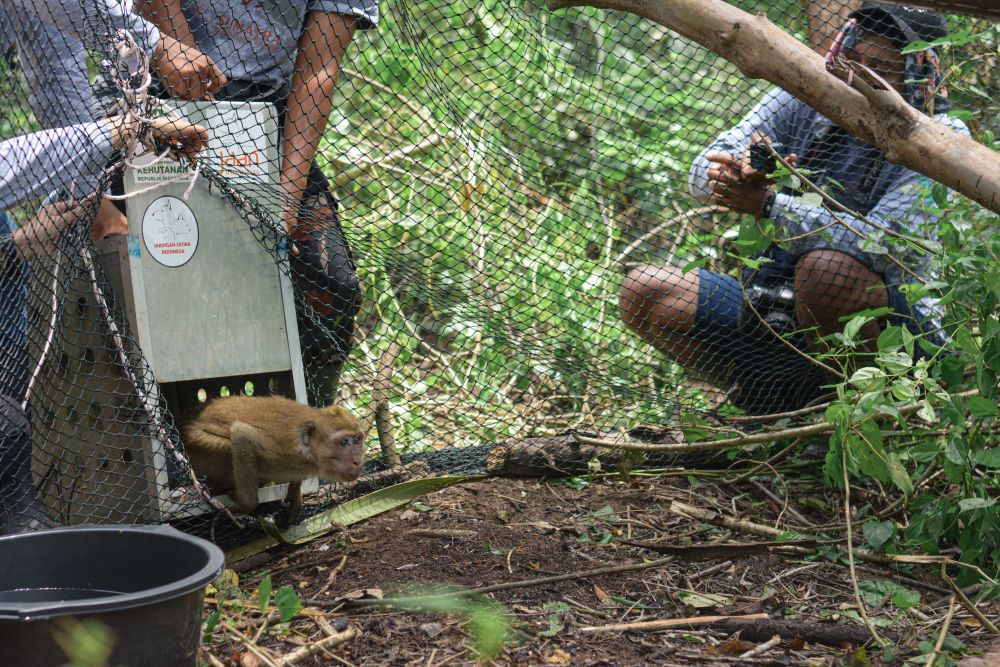
Upon arrival, cages were carefully carried to the habituation enclosure and opened gradually to minimise disturbance. The team kept noise to a minimum and maintained distance while the macaques settled in. One individual managed to breach the netting during the process — a reminder that even well-prepared releases carry their uncertainties.
Post-Release Monitoring
From February 16–22, 2026, a monitoring team conducted daily observations of the group's adaptation. Supplementary food was provided and reduced incrementally over four days to encourage independent foraging. The team recorded movement patterns, social interactions, feeding behaviour, and stress indicators throughout.
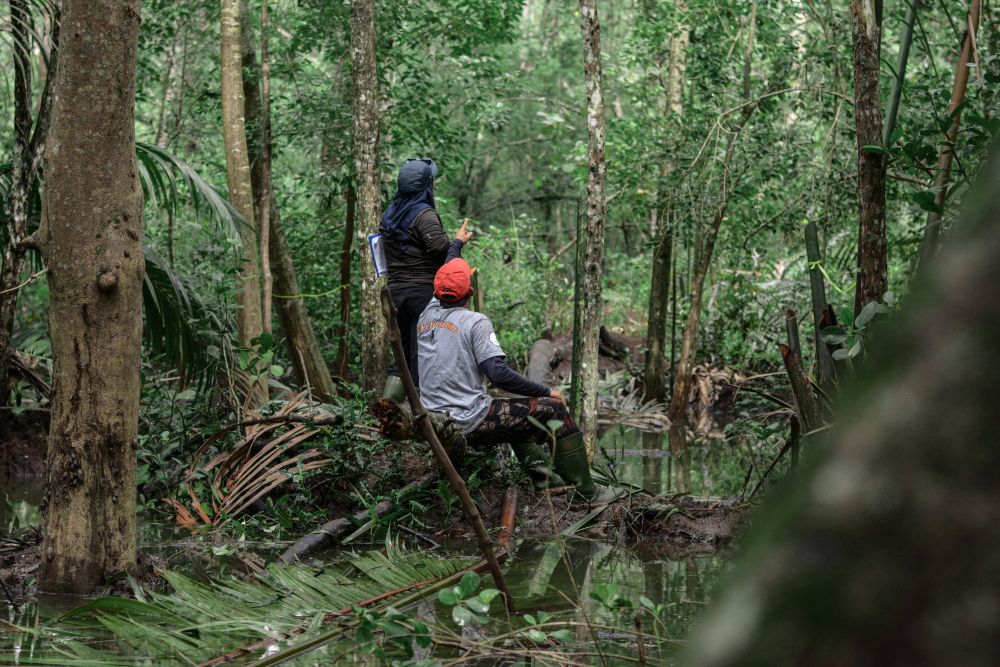
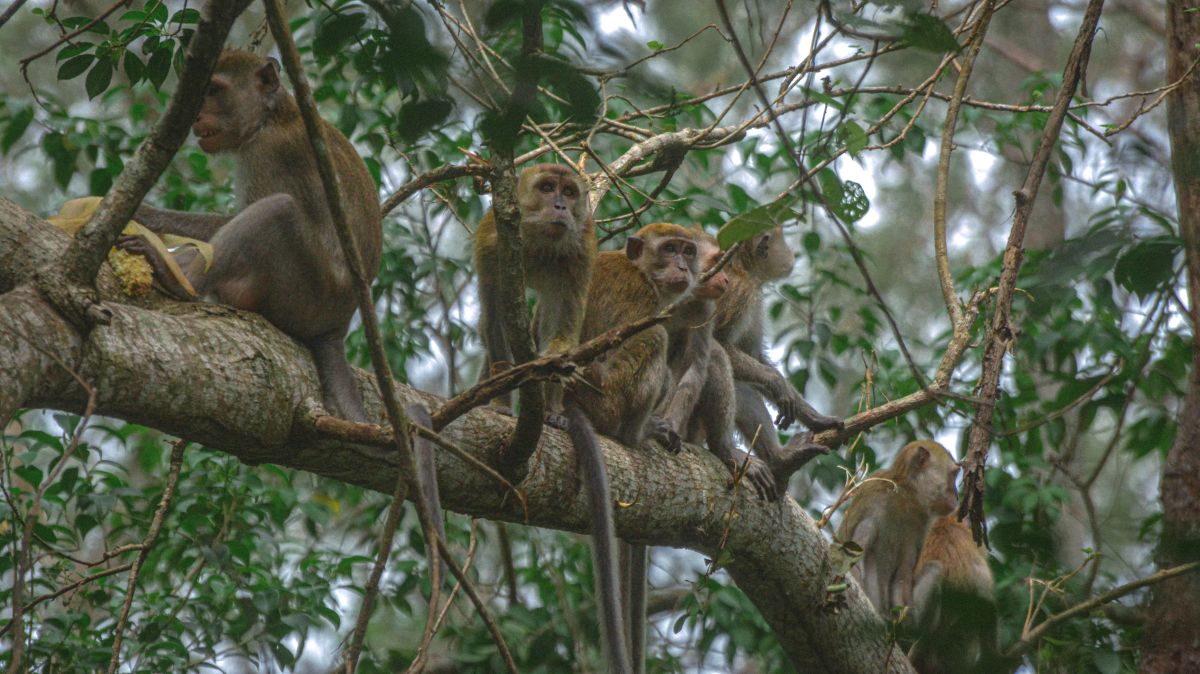
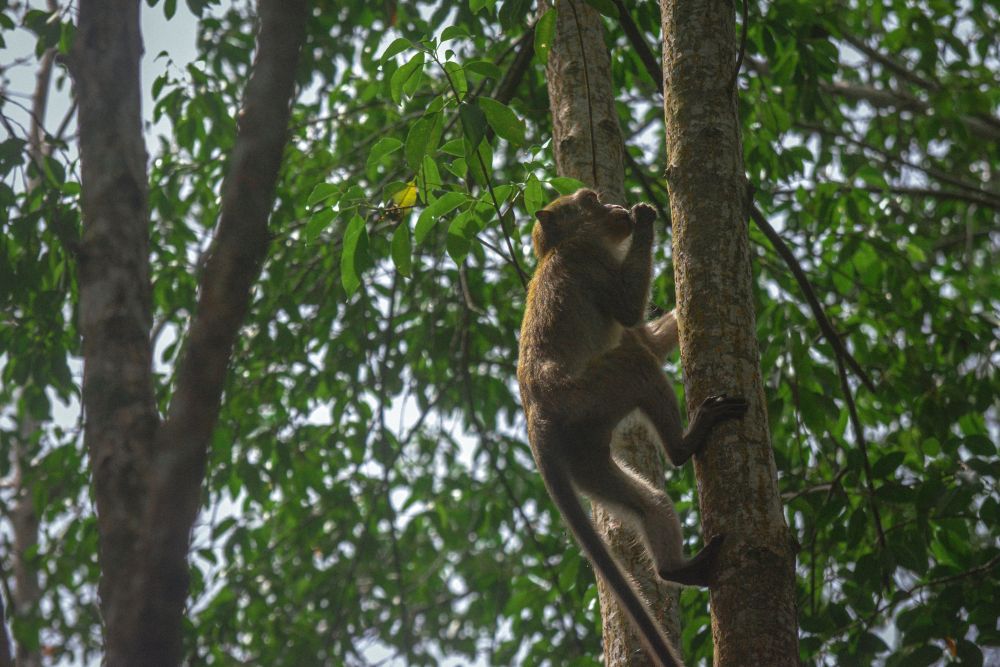
By the end of the monitoring period, the group showed strong signs of successful adaptation: active exploration of the mangrove habitat, stable social dynamics, and growing reliance on natural food sources. Long-term monitoring will continue to confirm their sustained success in the wild.
Get the latest news
Sign-up up for the quarterly newsletter and follow us on Instagram